

Ruth Diemer
MSW RSW · 30 years
Thirty years with couples and families. Grief and parenting.
Openings this week
Couples therapy for the strain that fertility treatment, loss and a new baby can put on a relationship, and for what that strain brings to the surface. Virtual across Ontario, or in person in Toronto. Evenings available.
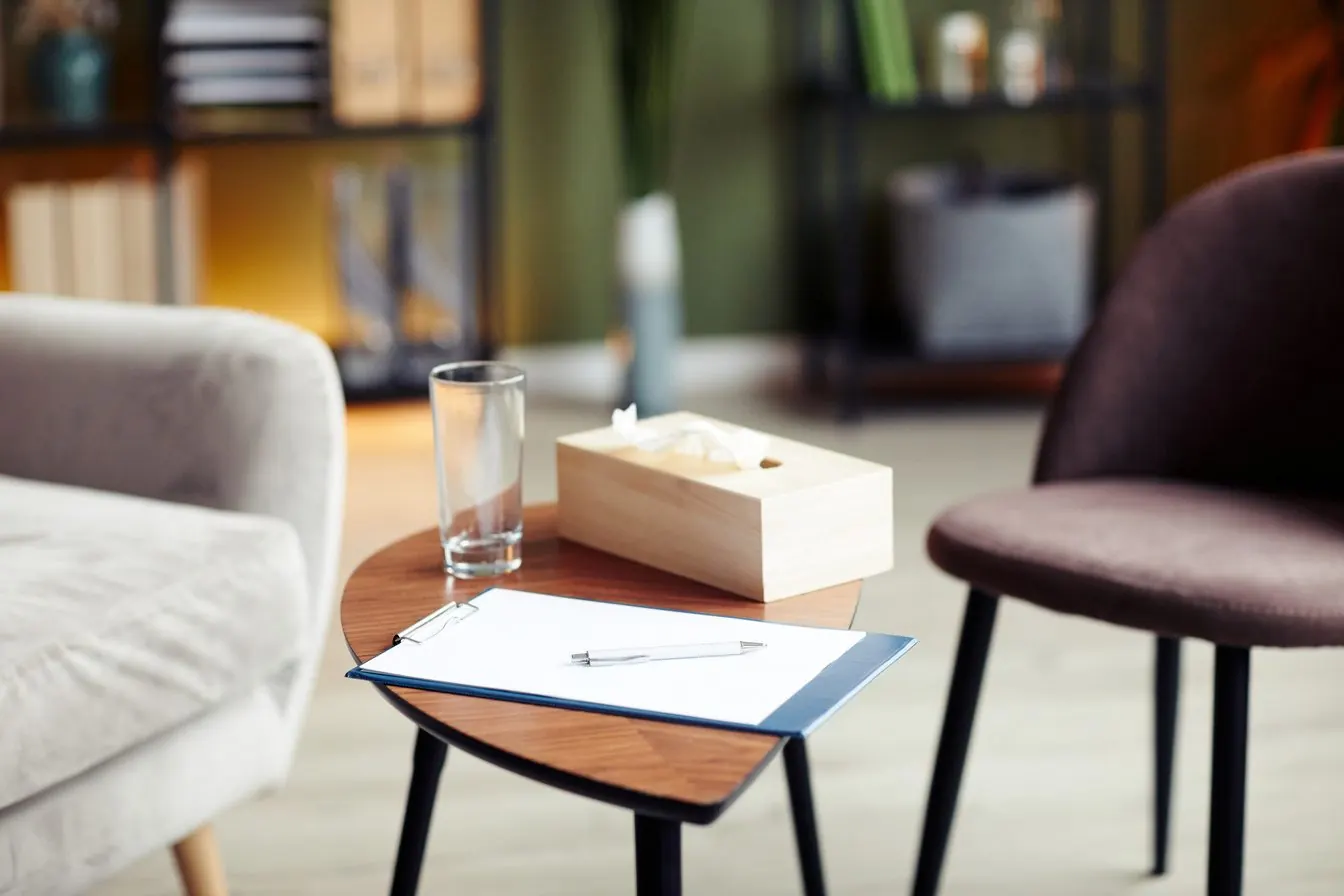
Perinatal couples therapy is relationship counselling focused on the period from trying to conceive through the early years of parenting. These years bring specific pressures: scheduled sex, a medical process one of you is physically carrying, grief on different timelines, and a division of labour that reorganized itself overnight without either of you agreeing to it.
But the baby or the treatment is rarely the whole story. This stage tends to bring older patterns to the surface, like how you each handle stress, how you ask for what you need, and what happens when one of you pulls away. Good couples therapy works with both: what’s happening now, and what it’s touching underneath.
Relationship satisfaction drops for most couples after a first baby. That’s common, not a sign your relationship is failing, and getting support earlier makes a real difference. At Toronto Therapy Practice, several of our therapists work with couples. You’ll find them below. Sessions are 50 minutes at $210 to $225, with a 75 minute extended session available at 1.5 times the rate. Available virtually across Ontario, with in-person sessions in Toronto with select therapists, and a free 20 minute consultation first. Either of you can book it.
You might recognize this
"We're more like roommates now."
"I do everything and I'm supposed to be grateful for help."
"She's the one going through it. I'm not allowed to be struggling."
"We haven't had a conversation that wasn't logistics in months."
"I grieved and he just went back to work."
"Sex became a task and now it's nothing."
"We only talk through the baby."
"I don't want to leave. I just don't know how to get back."
One of the most common patterns we see isn’t conflict, it’s distance. Two people managing an enormous amount, side by side, and slowly losing each other. Distance can feel calmer than fighting, but it’s often more serious. When the arguing stops, it can mean one of you has stopped expecting to be heard. By the time couples book, the complaint is usually chores or sex. Underneath, it’s often that one or both of you no longer feels known.
Another common pattern is a grief mismatch. One person copes by talking, the other by keeping things running, and each reads the other as not caring. Neither is wrong, and naming it is often where things start to shift.
What the work looks like
Who works with this
MSW RSW · 30 years
Thirty years with couples and families. Grief and parenting.
Openings this week

MSW RSW · Founder, 18 years, including 10 at Mount Sinai
EFT-trained. Communication, resentment and reconnecting.
Openings this week

RP · Fertility, loss and surrogacy
Couples through fertility treatment and donor conception.
Openings this week

MSW RSW · 11 years, hospital practice
The strain of the first year, and each partner's needs.
Openings this week

MSW RSW · 20 years, including Mount Sinai
Couples through pregnancy, loss and new parenthood.
Waitlist, about 3 weeks
Most couples here aren't fighting. They've just stopped reaching each other.
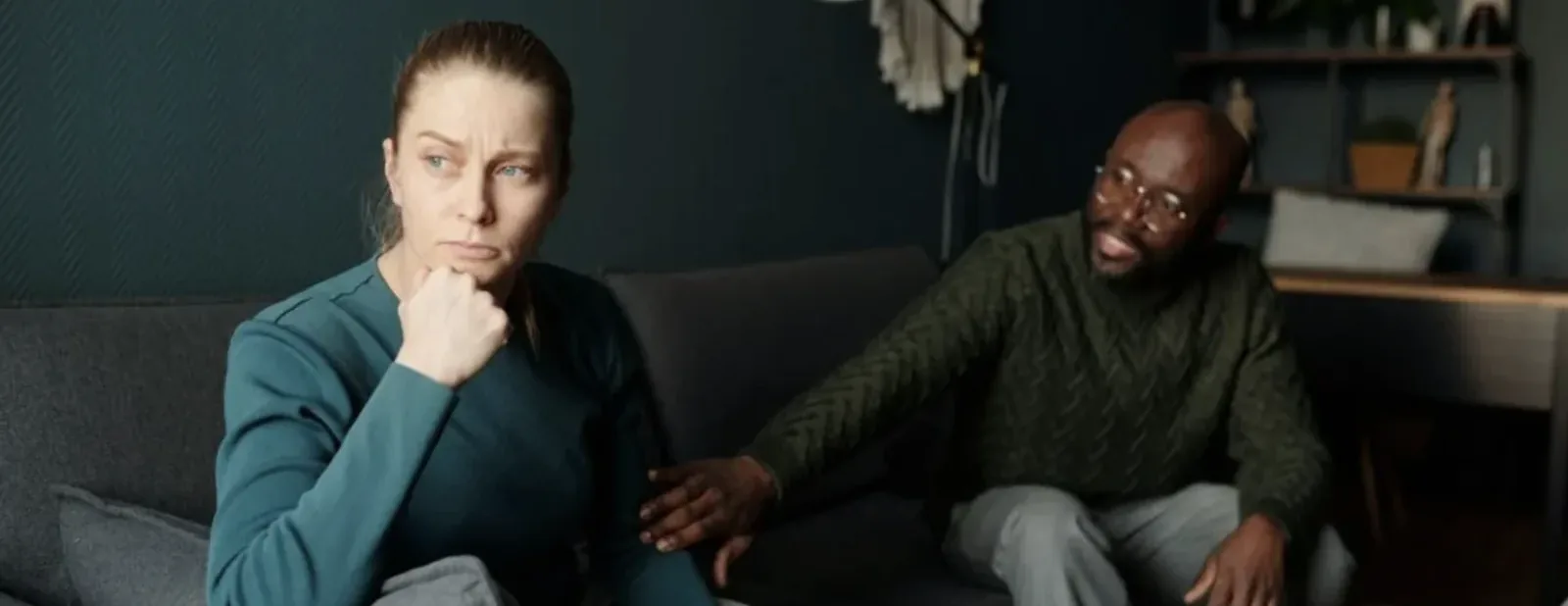
Most couples here are not fighting. They have just stopped reaching each other.
Before you book
Yes. Individual therapy can help you understand your part in the pattern and what you need, and that alone can shift things. If your partner decides they want couples therapy later, we'll usually connect you with a separate couples therapist. Moving from individual to couples work with the same therapist can make it hard for both partners to feel equally supported.
It depends on what you're bringing in. What starts as a specific stress, like treatment or a new baby, often opens up older patterns that are worth working on too. Real change in a relationship takes commitment from both of you. Your therapist will talk with you openly about how it's going and what you're working toward.
Usually, though it varies more than individual therapy does. Sessions with a Registered Social Worker or Registered Psychotherapist are covered by most Ontario workplace plans, and couples sessions can often be claimed under one partner's coverage. Check the wording of your specific plan. We also direct bill through Sun Life and TELUS eClaims, and provide receipts for all other insurers.
Yes, and it's worth taking seriously. Flatness can mean one or both of you has started to give up on being understood, which can be harder to come back from than open conflict. It's a good time to reach out, before the distance settles in.
Yes, including on your own. Partners often get treated as support staff during fertility treatment, loss and the first year, sometimes even by themselves. Caroline Nikiel, Ruth Diemer and Alana Jackson work specifically with partners, and there's a page on partner support if you'd rather start there.
Reading on this
 Couples
The Mental Load & Resentment: How Relational Therapy Can Recalibrate Your Partnership
It’s 8:30 PM on a Tuesday. The kitchen is a disaster zone of half-rinsed sippy cups and dinner remnants. The laundry basket is overflowing in the hallway, threatening to topple…
31 Dec 2025
 Couples
Not Here For The Right Reasons? Understanding Attachment Styles Through Reality TV
You've definitely heard of attachment styles, and may even know what yours is. Attachment styles are important for various therapy methods including EFT and so getting to know…
15 Nov 2024
 Couples
What is the Most Effective Form of Couples Therapy and Why?
Knowing when is the right time to seek couples counselling is going to be different for everyone. You have to remember you’re deciding to seek help with your partner and you…
12 Jul 2024
 Couples
What to Expect from Couples Therapy?
Couples therapy, as the name suggests, is an opportunity for romantic partners to learn how to discuss, resolve, and understand difficulties within their relationships.
21 Jun 2024
 Couples
Does Couples Therapy Work?
Maybe you two are fighting more than usual, or feeling a lack of intimacy. Maybe you want to take the next step, but your partner’s happy where you two are. Whatever is causing…
26 Apr 2024
 Couples
The Importance of Interpersonal Relationships: How to Make and Maintain Them
Why strong relationships protect your mental health, and 11 practical ways to build and keep them, from a Toronto therapy practice.
21 Oct 2023
Reaching out when things feel distant, not just when they feel broken, gives you more to work with. Twenty minutes, free, and either of you can book it.